March 25, 2026
The importance of regular plumbing maintenance cannot be overstated. Scheduling routine plumbing services can prevent unexpected disruptions and costly repairs. Understanding the comprehensive nature of plumbing systems and the potential issues they can pose is key to maintaining their functionality.
1. Understanding the Importance of Routine Plumbing Maintenance
1.1 Preventive Measures and Their Benefits
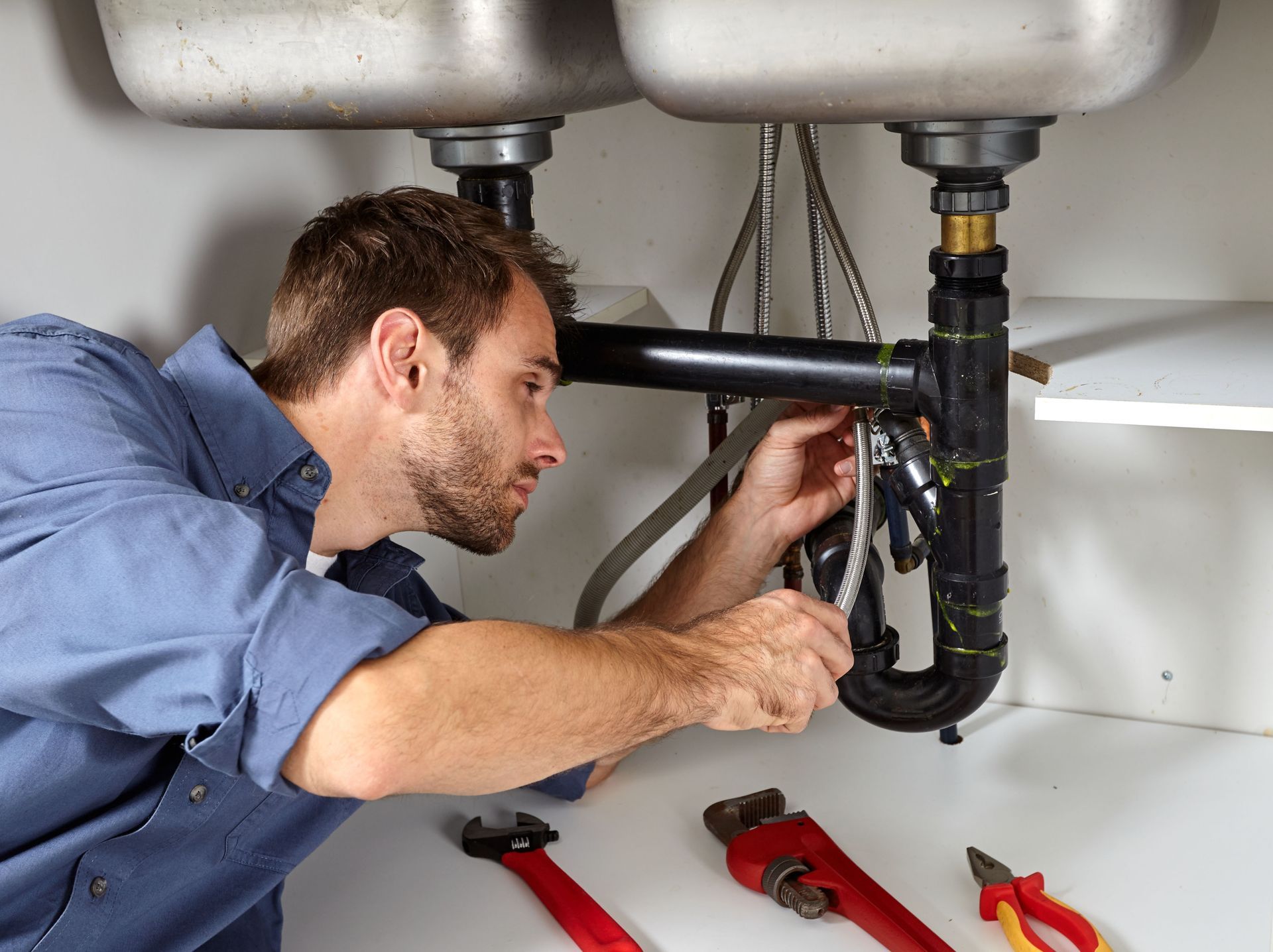
Preventive plumbing maintenance involves regular inspections and minor repairs to preempt major issues. By addressing small leaks or blockages early, homeowners can avoid the disruption and expense of emergency repairs. Proactive maintenance ensures a consistent water supply, which is essential for everyday activities such as cooking and hygiene. Investing in preventative measures can significantly reduce the frequency of stressful and unexpected plumbing issues.
1.2 How Regular Maintenance Extends the Lifespan of Plumbing Systems
Consistent maintenance extends the lifespan of plumbing systems by ensuring that all components remain in good working condition. Detecting and addressing issues such as corrosion or mineral buildup helps to prevent the premature failure of pipes and appliances. A well-maintained plumbing system not only functions effectively but also allows homeowners to better plan for eventual replacements. Continued care in this manner can align with the design lifespan of plumbing infrastructure. Homeowners benefit from the longevity and reliability of their water systems when they adhere to a maintenance schedule.
1.3 Cost Implications of Neglecting Plumbing Services
Neglecting routine plumbing services can lead to significant financial burdens due to emergency repairs and water-related damages. Burst pipes or major leaks often require immediate attention, usually at a premium cost. Furthermore, incorrect or delayed responses to plumbing issues can result in escalating structural damage and increased utility bills. According to the Environmental Protection Agency, household leaks can waste nearly 10,000 gallons of water per home each year, making professional plumbing services critical for efficiency. Therefore, the cost of regular maintenance is a far more manageable expense in comparison to fixing the damages caused by negligence.
1.4 The Impact on Property Value
Routine plumbing maintenance is crucial when considering the long-term value of a property. Potential homebuyers are often cautious about the state of major systems, including plumbing. A home with a documented history of regular maintenance can command a higher resale price. Beyond resale value, ongoing maintenance ensures that the property remains comfortable and functional. Upholding the integrity of the plumbing system through regular checks can be a unique selling point in competitive real estate markets.
2. Seasonal Considerations for Plumbing Services
2.1 Preparing for Winter: Inspections and Insulation
Winter poses unique challenges for plumbing systems, making pre-winter inspections imperative. Pipes can freeze and burst during extremely cold weather, leading to significant damage. Insulating pipes in unheated areas such as basements and attics can prevent freezing. It's a wise strategy to have a professional inspect exterior faucets for leaks and ensure proper sealing. Scheduling plumbing services ahead of the winter season ensures that the property is ready to withstand harsh conditions without suffering from avoidable issues.
2.2 Tackling Spring Thaw: Checking for Pipe Damage
The transition from winter to spring is an essential period for inspecting plumbing systems for winter-related damage. Thawing can reveal hidden leaks due to burst pipes that were unnoticed when frozen. Addressing these issues early can protect against water damage during the rainy season. Professionals can also conduct checks on sump pumps, ensuring they are operational to manage any increase in groundwater levels. Spring serves as an ideal time to resolve issues before they escalate with increased rainfall.
2.3 Summer Checks: Irrigation Systems and Water Heaters
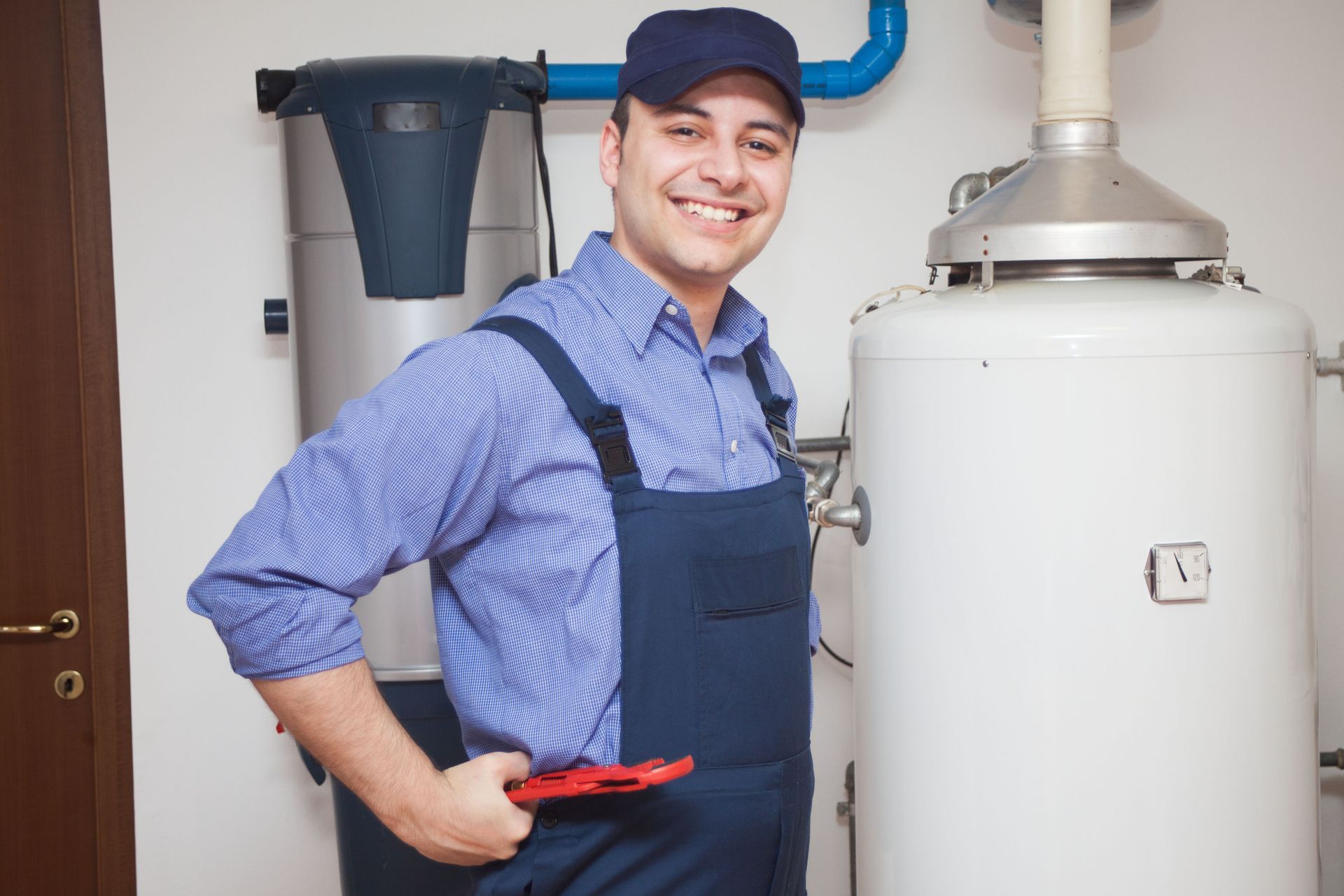
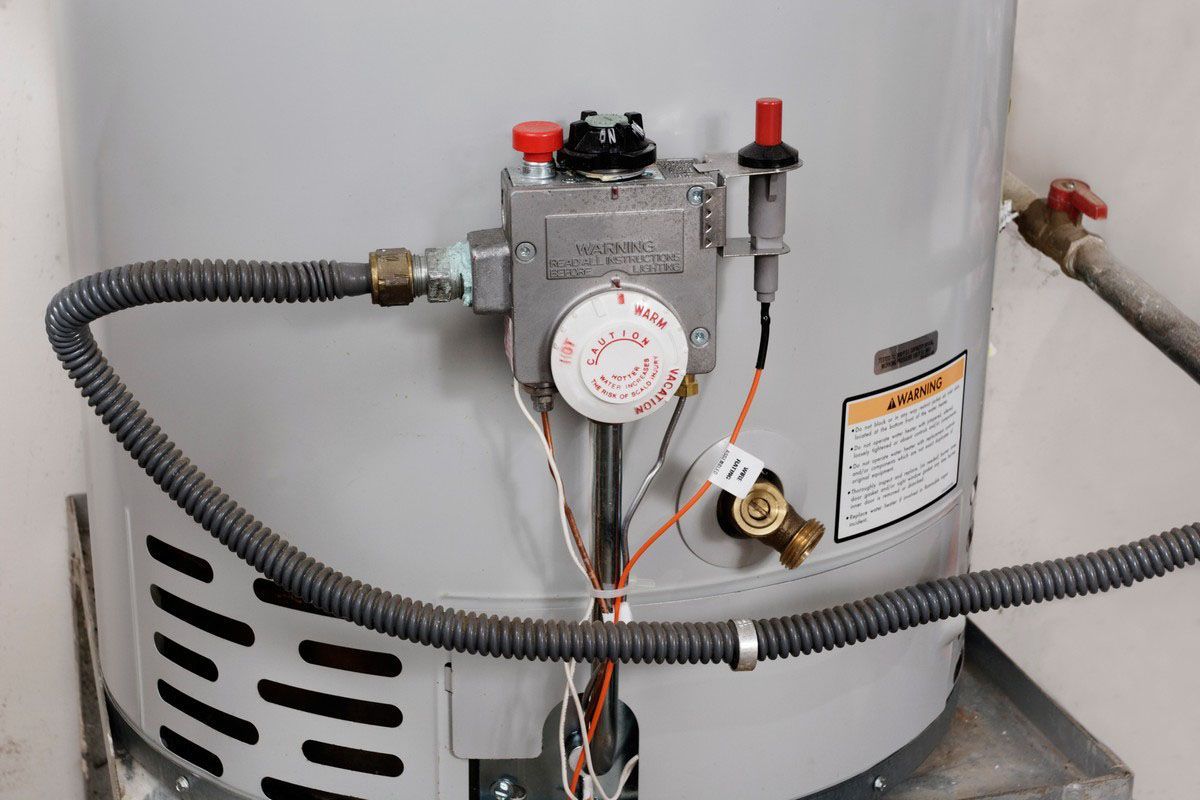
Summer calls for a focus on outdoor plumbing systems and appliances like water heaters that may have been idle during cooler months. Examining irrigation systems ensures lawns and gardens can be efficiently watered without unexpected interruptions. Water heaters require maintenance checks to ensure their efficiency and readiness for extended usage. Such interventions can prevent rust, sediment build-up, and potential failures. A summer maintenance appointment is a proactive way to ensure outdoor systems operate smoothly under increased usage.
2.4 Fall Readiness: Gutter Cleaning and Drainage Systems
Fall is a critical time to prepare homes for the potential challenges winter can bring. Clearing gutters of leaves and debris ensures proper drainage and prevents water damage to the foundation. Inspecting and cleaning drainage systems can avert problems with blocked or overflowing outdoor systems during heavy fall rains. Regular fall maintenance also includes preparing outdoor faucets and hoses for winter, preventing freezing damage. Preparing systems for the colder months minimizes the risk of costly repairs as the seasons change.
2.5 Adjusting Plumbing Services to Local Climate Variations
Plumbing needs can vary significantly based on regional climate differences, requiring customized service schedules. In warmer climates, irrigation systems and water efficiency may be more critical, while colder regions demand emphasis on freeze prevention. Engaging a local plumber familiar with these variations can provide tailored advice for maintaining systems effectively. Local environmental factors, like saltwater exposure or seismic activity, also impact plumbing requirements. Adjusting maintenance schedules to consider these elements ensures that plumbing systems can withstand regional environmental stresses.
3. Recognizing Warning Signs of Plumbing Issues
3.1 Unusual Water Bills and Consumption Patterns
Sudden increases in water bills can indicate underlying plumbing issues such as leaks. Regularly reviewing usage patterns aids in identifying discrepancies that suggest inefficiencies or hidden leaks. Prompt inspections upon noticing these changes can resolve small issues before they become costly. Identifying and rectifying these inefficiencies can quickly return costs to normal levels. Keeping an eye on bills and consumption not only manages costs effectively but serves as an early-warning mechanism for system health.
3.2 Discoloration or Odors in Water
Discolored or odorous water is a clear sign of potential problems within the plumbing infrastructure. This may indicate rust or contamination stemming from corroded pipes. Immediate attention to such changes is crucial to ensure water safety and quality. Engaging plumbing professionals can quickly determine and resolve the source of these issues, restoring water clarity and taste. Regular inspections contribute significantly to identifying such problems early, before they compromise health and comfort.
3.3 Low Water Pressure or Flow Changes
Experiencing reduced water pressure can pinpoint blockages or leaks within a plumbing system. Changes in pressure warrant a qualified plumber's inspection to confirm the cause and recommend remedial actions. Piping obstructions or system's pressurization inefficiencies require timely diagnoses to maintain functionality. Restoring optimal water pressure often involves detailed investigations and potentially upgrading older system components. Monitoring water flow changes provides an opportune time to initiate regular plumbing service assessments.
3.4 Strange Noises from Pipes or Fixtures
Noises emanating from plumbing systems often indicate elements needing attention, such as air caught in the lines or mounting deterioration. The presence of sounds like banging, clunking, or whistling necessitates inspection to prevent escalated damage. Identifying causes such as loose pipes or faulty valves averts potential disruption or system failure. Placing a priority on diagnosing and addressing these sounds can extend the system's overall lifespan. Deterring escalating problems through early intervention maximizes system efficiency with minimal intrusion.
3.5 Visible Leaks or Water Damage
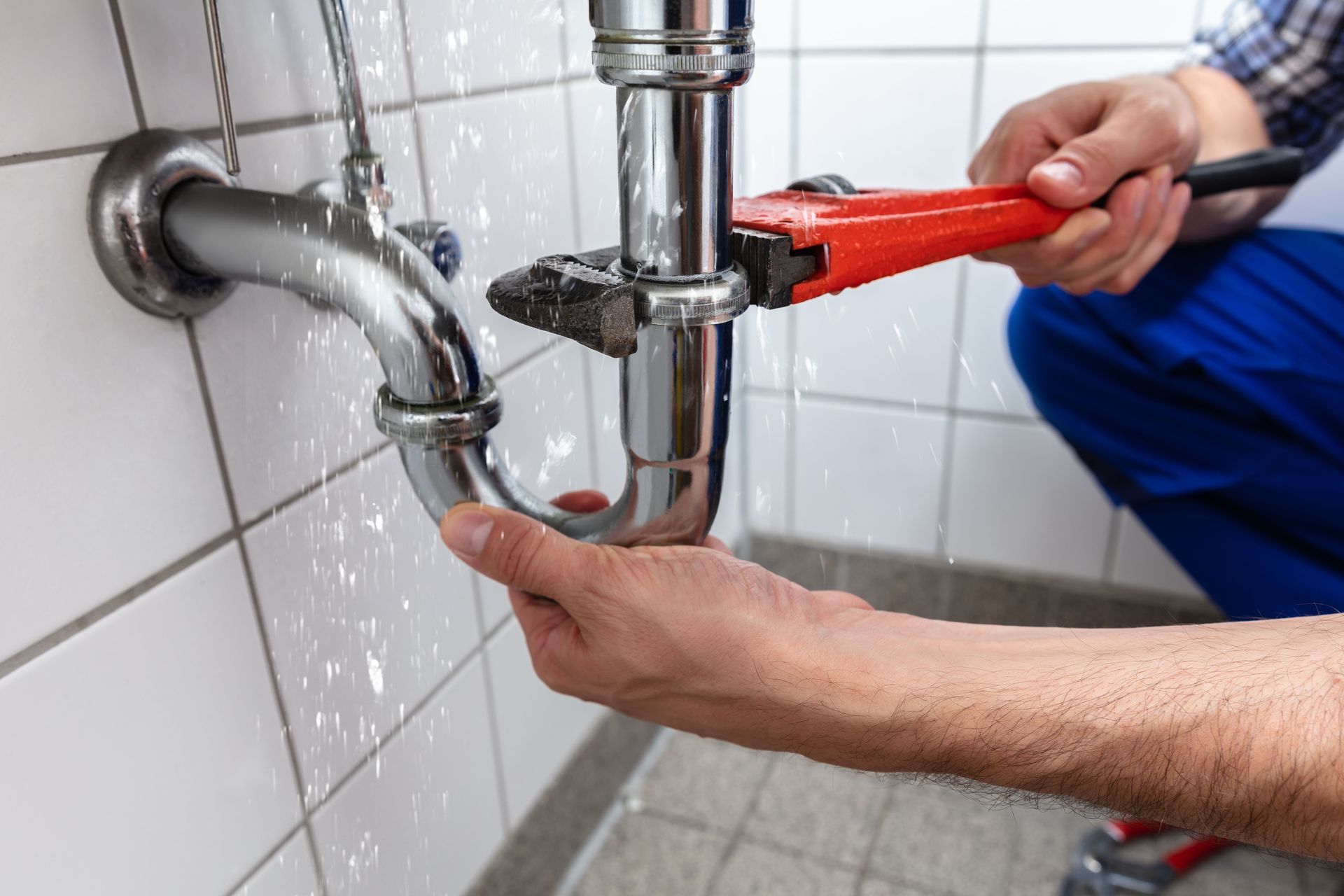
Visible leaks or water damage marks are critical signs prompting immediate plumbing assessments. Water spots, mold growth, or warped floors indicate leaks needing repair to avoid structural damage. Unsigned moisture indicates leaks often go unnoticed, leading to more significant issues like rot and degradation. Regular inspections, particularly in less visible areas such as behind appliances or beneath crawl spaces, can preclude severe damage. Addressing leaks observed during casual inspections can reduce repair impacts by enabling a proactive approach.
Regular plumbing maintenance is vital for keeping your property safe, efficient, and valuable. Knowing when and why to schedule these services helps prevent costly repairs and ensures peace of mind. Proactive care extends the life of your plumbing system and protects your investment. For expert guidance on plumbing services, contact South East Plumbing & Heating today.