April 2, 2026
The importance of regular water heater maintenance is often underestimated by homeowners, yet it's an essential practice that can notably extend the system's lifespan. Investing time in understanding and executing proper maintenance can save homeowners from future headaches and financial burdens. With water heating contributing to approximately 18% of a home's total energy use, according to the U.S. Department of Energy, the stakes for efficiency are high. Let's delve into the myriad reasons why maintaining your water heater benefits its longevity and ensures efficiency, drawing on expert insights and practical tips.
Removing Sediment
Understanding Sediment Build-Up and Its Impact
Sediment accumulation is a common issue that can impair water heater performance. Minerals and debris in water settle at the bottom of the tank over time, affecting efficiency and heating capability. This build-up can cause the heater to work harder, raising energy costs and shortening its lifespan. Regular sediment removal helps maintain optimal function and prevents corrosion. Understanding how sediment impacts performance is crucial for effective water heater maintenance.
Effective Methods for Flushing Your Tank
Flushing the tank is a straightforward method to remove sediments. Firstly, turn off the heater's power supply and allow the unit to cool. Attach a garden hose to the tank's drain valve, leading the other end to a safe drainage area. Open the valve to let water and sediment leave the tank; monitor until clear water flows out. This process should be performed periodically to maintain performance and efficiency.
Frequency of Sediment Removal for Optimal Performance
The frequency of sediment removal depends on your tank and water hardness. Generally, it's recommended to flush the water heater every six to twelve months. Regular flushing prevents excessive build-up, which can affect heating efficiency and element life. For homes with hard water, performing this task even more frequently may be necessary. Adhering to these guidelines can extend the heater's operational lifespan significantly.
Preventive Measures Against Sediment Accumulation
There are several strategies to minimize sediment accumulation. Installing a water softener can reduce the mineral deposits that contribute to sediment build-up in the tank. Regularly flushing the system also helps in managing sediment levels effectively. Another preventative measure includes using a cleaning solution specifically designed for water heaters. By taking these steps, you can ensure your system remains efficient and functional longer.
Consequences of Neglecting Sediment Management
Failing to manage sediment build-up can have costly consequences for a water heater. Increased energy consumption, inefficient heating, and potential damage to the heating elements are among the issues caused by neglecting sediment management. Over time, excessive sediment can lead to irreversible damage, necessitating complete unit replacement. This not only incurs significant expense but also disrupts household operations. Proactively managing sediment is crucial to avoiding such negative outcomes.
Maintaining the Anode Rod to Prevent Corrosion
Function and Importance of the Anode Rod
The anode rod is a critical component that helps prevent corrosion within a water heater. Made of magnesium or aluminum, it attracts corrosive elements in the water that would otherwise damage the tank's lining. This sacrificial action extends the life of the tank by minimizing rust and corrosion. Regularly checking and replacing the anode rod is essential for maintaining the unit's integrity. Understanding its function highlights the importance of not overlooking this small but vital part of your water heater.
Signs That the Anode Rod Needs Replacement
Identifying when an anode rod needs replacement is critical to maintaining your water heater's performance. The rod should be inspected annually, or every two to three years, primarily if you live in areas with hard water. Signs of a deteriorating rod include its thinning or excessive corrosion, which diminishes its protective capability. Waiting too long can result in more extensive damage to the tank itself. Regular inspections ensure the rod can effectively protect the heater from rust and corrosion.
Steps to Replace the Anode Rod
Replacing the anode rod is a relatively simple process that can significantly extend your water heater's lifespan. Start by turning off the power and water supply, then drain a few gallons from the tank to reduce pressure. Locate the anode rod, often at the top of the heater, and use a socket wrench to remove it. Insert a new rod, ensuring it fits securely, and restore the power and water supply. Performing this replacement at regular intervals is crucial for maintaining system efficiency.
Choosing the Right Anode Rod Material
Different materials of anode rods serve specific needs and conditions. Magnesium rods are generally more effective in softening water environments, while aluminum rods are better suited for harsher, more corrosive conditions. Combination rods, featuring aluminum-zinc alloys, can be used where water odor is a concern. Selecting the appropriate material ensures your water heater receives optimal protection. Consulting with a professional can guide you in making the most appropriate choice.
Long-Term Benefits of Regular Anode Rod Maintenance
Regular maintenance of the anode rod can significantly enhance the longevity of your water heater. It protects the tank from corrosion, ensuring a longer operational life and reducing the likelihood of costly replacements. Well-maintained anode rods help the heater to function more efficiently, contributing to lower energy bills. Additionally, maintaining this component supports the overall health of the system, reducing the need for frequent repairs. In the long run, consistent attention to the anode rod is a sound investment that maximizes reliability and durability.
Regulating Temperature Regulation
Optimal Temperature Settings for Water Heaters
Setting the water heater to optimal temperatures can ensure efficiency and prolong its life. Experts usually recommend a setting of around 120 degrees Fahrenheit. This temperature is considered a sweet spot for minimizing scalding risks while ensuring the effective killing of pathogens. Regular monitoring and adjustment can prevent overheating and extend the heater's lifespan.
The Impact of High Temperatures on System Durability
Excessively high temperatures can negatively impact a water heater's durability. Operating at a high temperature increases pressure within the tank, stressing the system's components. It can also accelerate the wear of the anode rod and other essential parts. Consistent exposure to high heat can lead to premature failure and costly repairs. By managing temperature settings wisely, you can avoid these pitfalls and extend your system's operational life.
Adjusting the Thermostat for Energy Savings
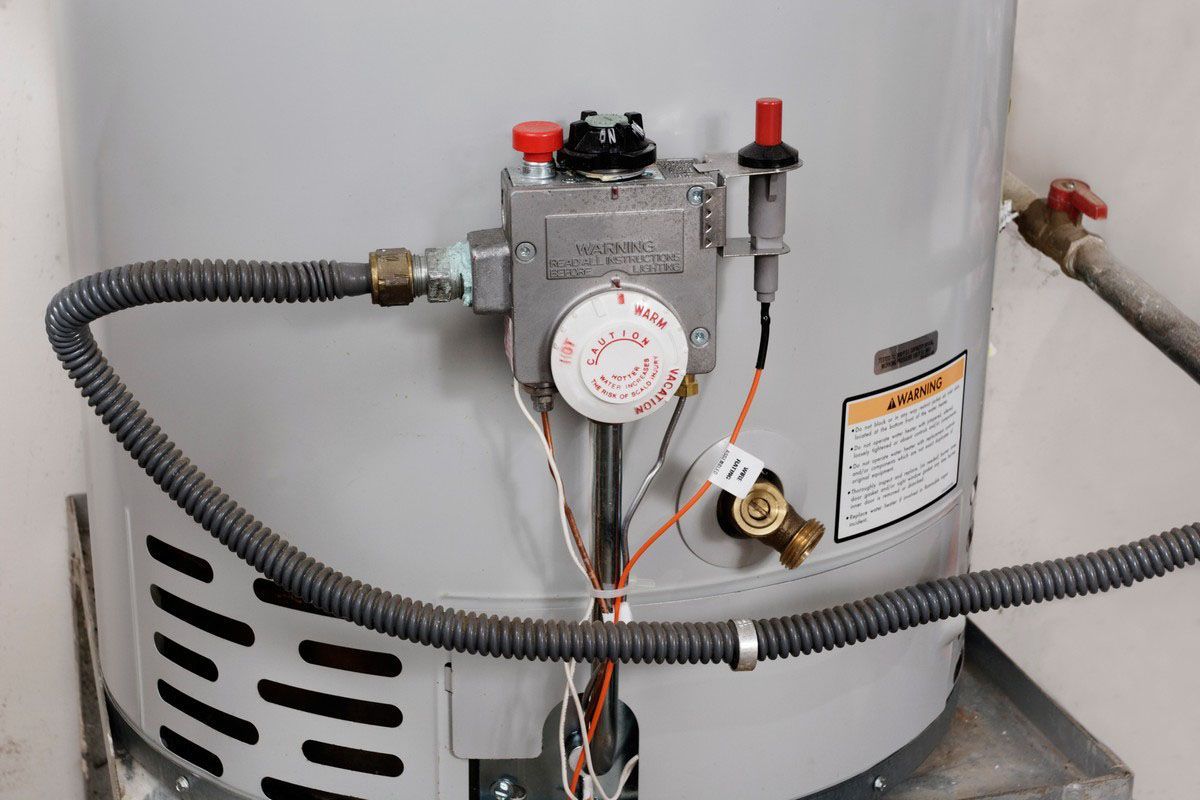
Proper thermostat adjustment plays a pivotal role in achieving energy savings. Lowering the temperature setting not only reduces energy consumption but also mitigates the risks of overheating. Modifiable thermostats allow homeowners to set temperatures according to seasonal changes, maximizing efficiency all year long. These adjustments contribute to lower utility bills and a smaller environmental footprint. Energy savings accrue through careful monitoring and optimal thermostat settings.
Tools for Monitoring Temperature Fluctuations
Several tools are available for effectively monitoring water heater temperature fluctuations. Digital thermostats with displays provide precise temperature control and easy adjustments. Smart home systems can offer remote monitoring capabilities, sending alerts if temperatures deviate from preferred settings. Simple thermometers can be used for manual checks to ensure accuracy. Utilizing these tools helps homeowners maintain stable temperatures, directly influencing heater efficiency. Consistent temperature management is key to prolonging system performance and longevity.
Regular water heater maintenance isn't just a beneficial practice; it is essential for extending the system's lifespan and ensuring it operates safely and efficiently. By dedicating time to routine checks and necessary repairs, you can avoid costly emergencies and increase energy efficiency. Maintaining your water heater is an investment that pays dividends in reliability and peace of mind. To learn more, reach out to the experts at South East Plumbing & Heating today!